HARDWARE IN THE LOOP (HIL) TESTING SYSTEMS

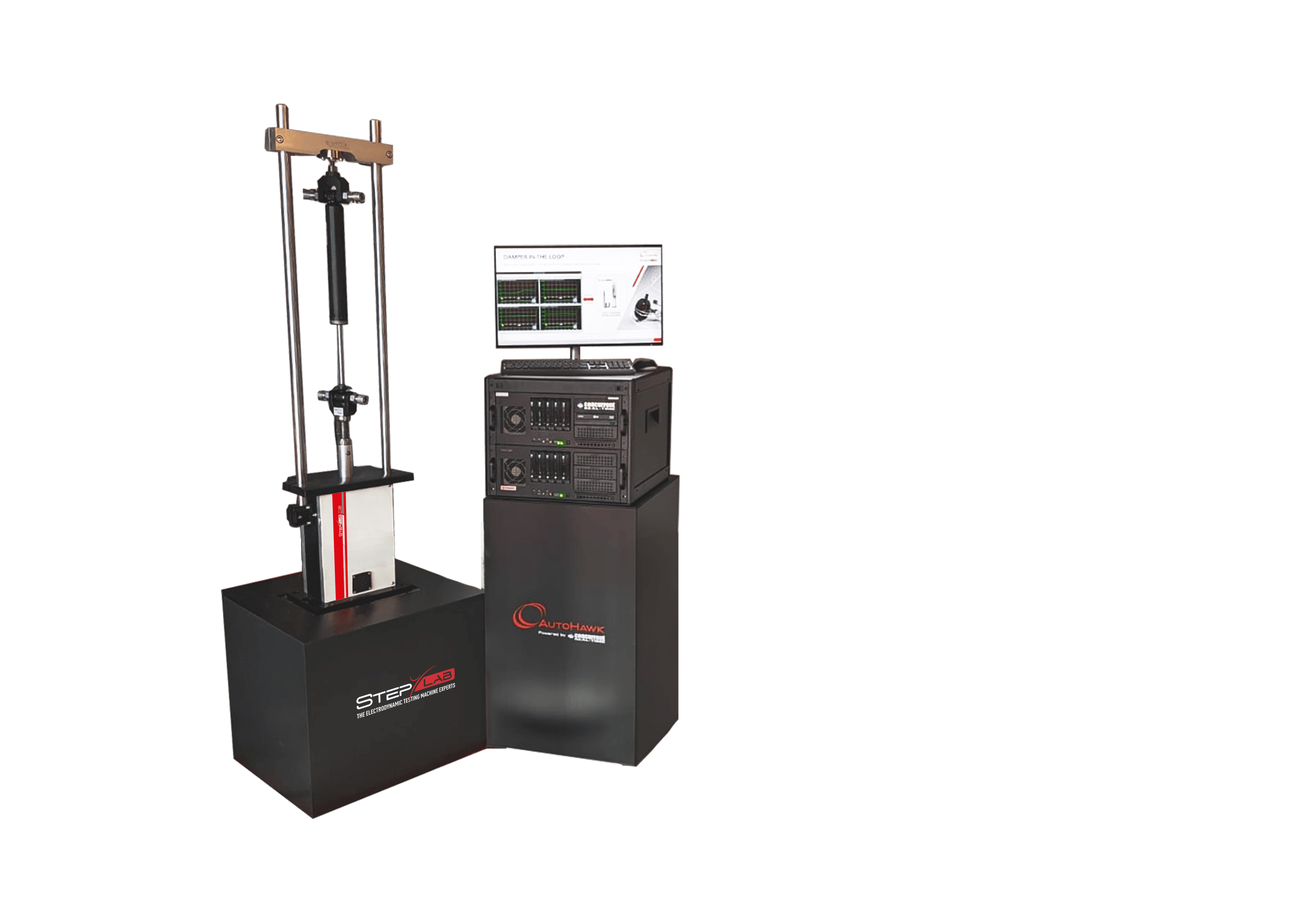
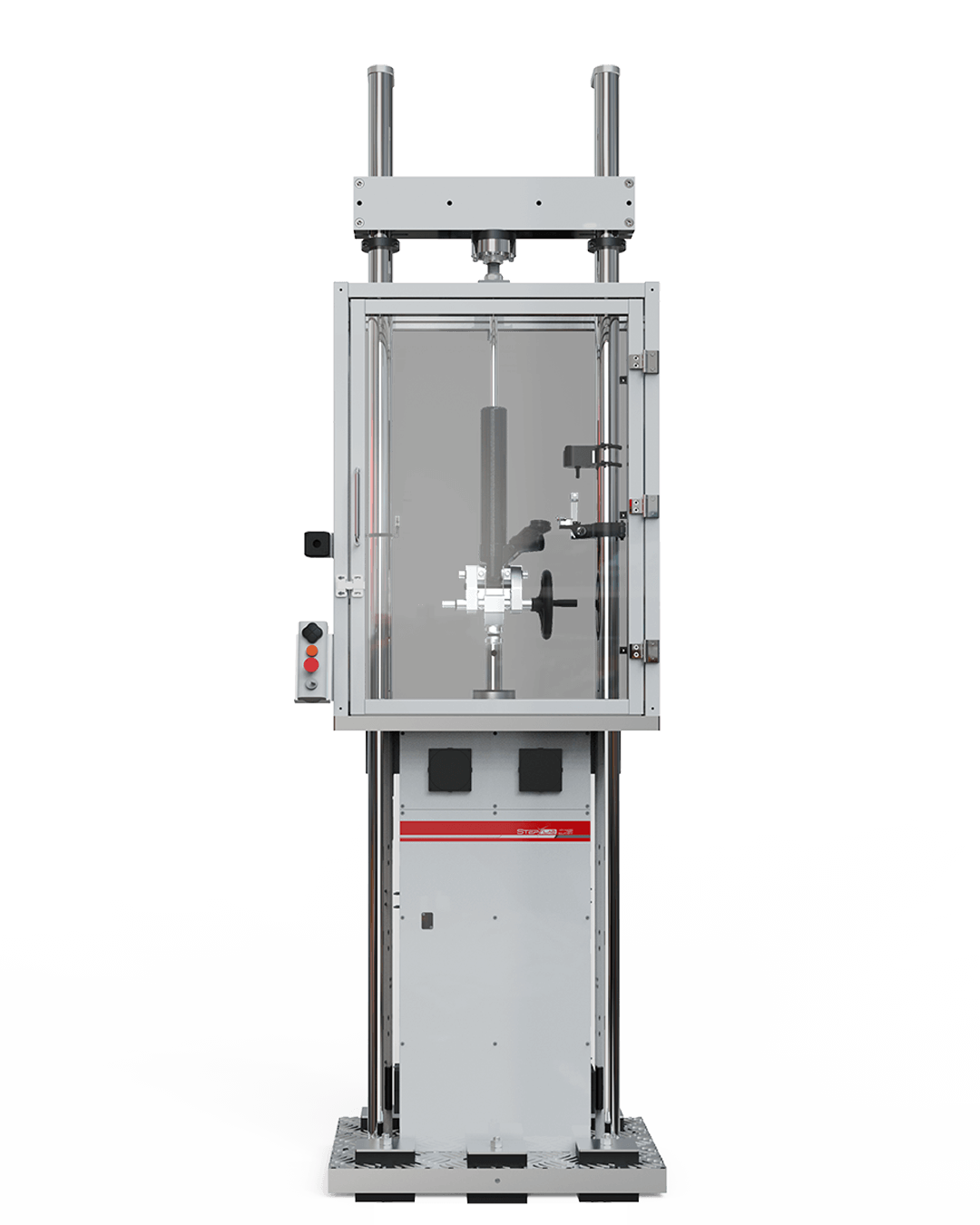
At STEP Lab, we produce electrodynamic systems for Hardware-in-the-Loop (HIL) testing for the automotive industry. Integrated with various virtual models, our highly dynamic test machines can perform a wide range of tests, and simulate real-life road profiles and driving conditions.
HARDWARE IN THE LOOP (HIL) TESTING SYSTEMS

At STEP Lab, we produce electrodynamic systems for Hardware-in-the-Loop (HIL) testing for the automotive industry. Integrated with various virtual models, our highly dynamic test machines can perform a wide range of tests, and simulate real-life road profiles and driving conditions.
HIL: SIMULATION AND TESTING

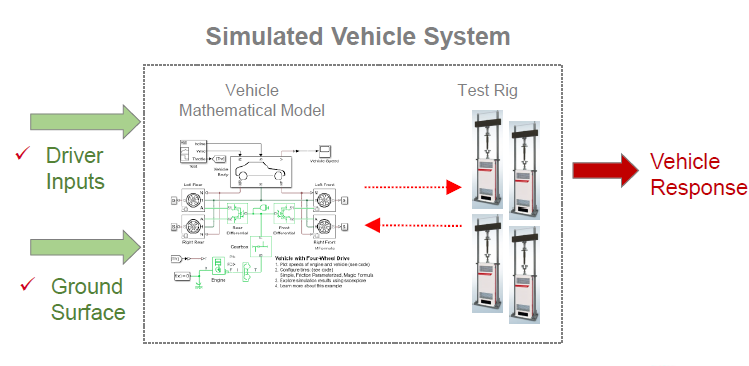
Our Hardware In The Loop (HIL) test systems for the automotive industry are based on advanced technology that allows seamless integration between virtual models and real controllers/software, thus ensuring fast and secure communication.

  • Tests on a wide variety of loads and dynamics.
  • Interaction between virtual models and real controllers/software.
  • Support of various communication protocols.
  • Fast communication in real time.
  • Connection with real-time target computers (STEP Lab or third-party).
  • Compatibility with different hardware: AutoHawk from VI-Grade, dSPACE, Speedgoat from MathWorks, National Instruments.
  • Testing of complete vehicles with the 4-Poster test stand (virtual tyres, wheels and body, real shock absorbers).
  • Test Manager controller adaptable to different test requirements, capable of delivering accurate results in a short time.

FEATURES

Interaction of virtual models with the controller and software

Fast communication

Real-time results

Multiple communication protocol

Compatible with STEP Lab or third-party machines

HARDWARE IN THE LOOP SYSTEMS

Hardware in the Loop (HIL) is a technique used in the automotive industry to test vehicles efficiently and safely. This methodology involves the use of real vehicle components within a controlled test environment, combined with a partial mathematical model of the vehicle itself. The main objective of HIL is to simulate vehicle behaviour in real driving conditions, allowing engineers to test and validate different configurations and scenarios without having to resort to expensive physical prototypes or jeopardise the safety of operators.

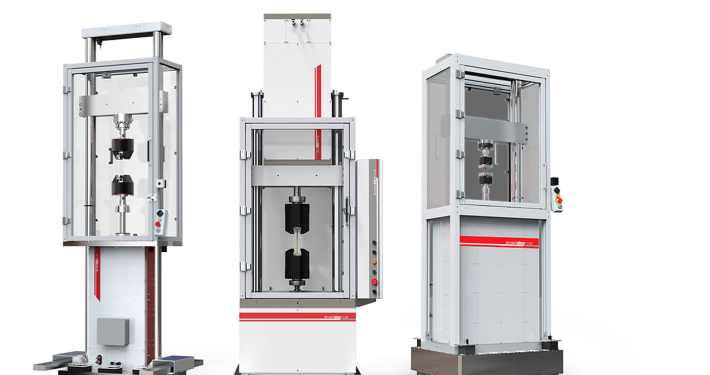
Who plays a key role besides the software is the test bench. STEP Lab has developed several series of benches to meet each specific requirement. However, for this application, the HUD series machines are distinguished by their superior performance, guaranteeing high test frequencies and speeds.

COLLABORATION WITH VI-GRADE

STEP Lab and VI-grade have developed a strategic partnership with the aim of providing a fully integrated Hardware-in-the-Loop (HiL) solution for shock absorbers, simplifying the development process and reducing the complexity and time required to implement advanced test systems in the automotive industry. This comprehensive approach also includes active and semi-active suspension systems and advanced control strategies.

  • Efficiency: Customers will benefit from interacting with a single partner responsible for the entire system, significantly reducing development time compared to configuring the final solution with multiple partners.
  • Costs: Project costs are optimised through a pre-existing, functional solution, eliminating the need for extensive individual configurations.
  • Reliability: Having previously collaborated on similar solutions, VI-grade and STEP Lab ensure a reliable and tested approach, enhancing the overall success of the project.
Explore our catalogue or contact us to find the right product for your business together.

Other products