BIOMEDICAL TESTING

Testing systems for medical devices, orthopedic and dental implants, packaging, and biomaterials

Medical device testing is essential to turn an innovative project into a reliable and marketable product. We offer advanced solutions for mechanical and technological testing in the medical and pharmaceutical sectors. To set up your laboratory efficiently, we offer flexible and modular systems, including machines, testing devices and software.

We combine expertise in testing products such as prostheses to provide a complete solution. Our testing facilities ensure a thorough evaluation of your products, helping you to demonstrate compliance with global standards and regulations.
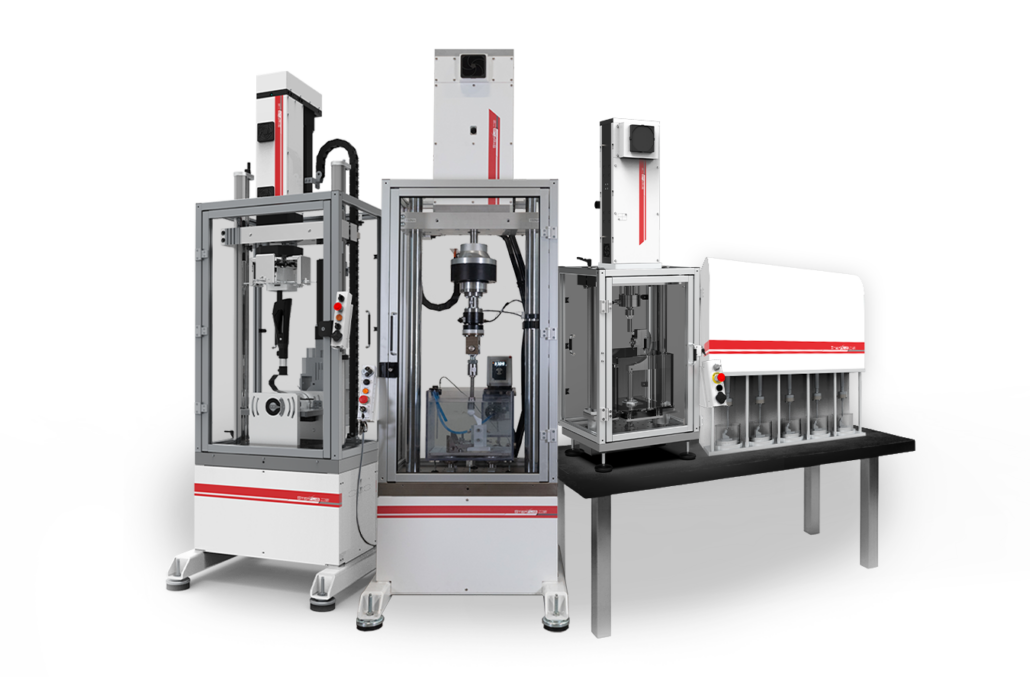
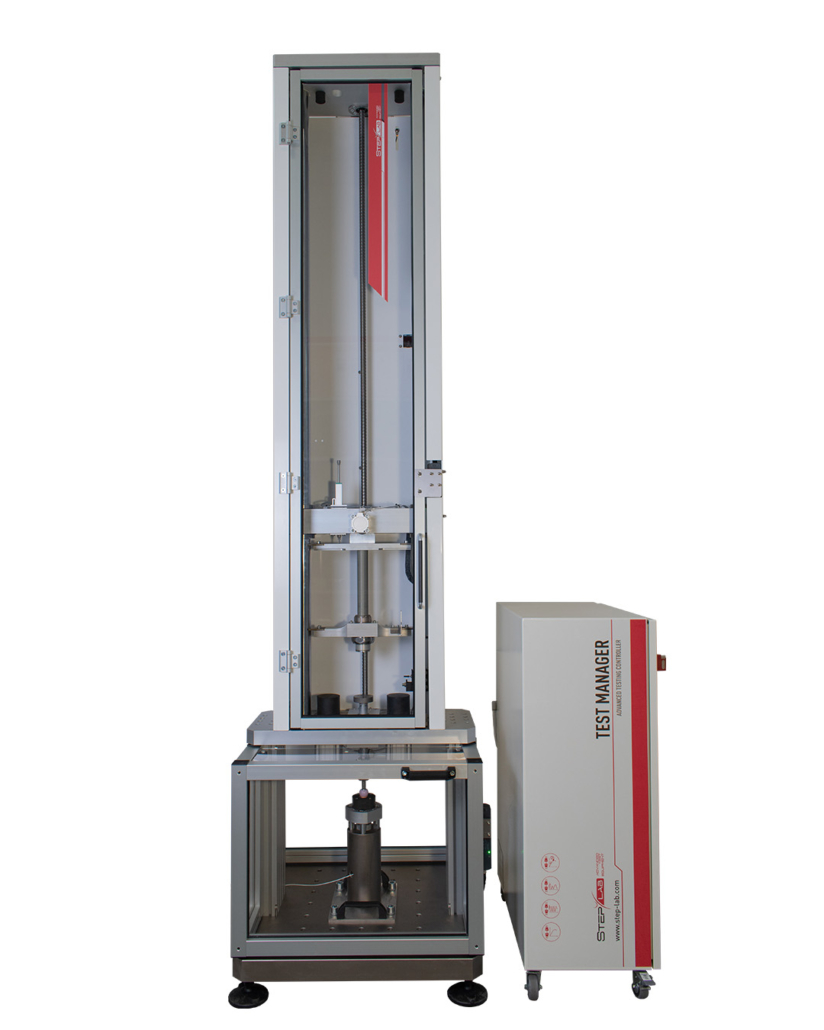
New EA series

THE AREAS OF BIOMEDICAL TESTING

The range of biomedical applications affects many areas, resulting in an equally wide range of testing requirements. To properly hold or handle test specimens and obtain the required results, various configurations must be added to the equipment of a test system. In many cases, the final design of these facilities is based on international standards such as ISO or ASTM. Alternatively, they are specially designed following the specifications required by the customer.

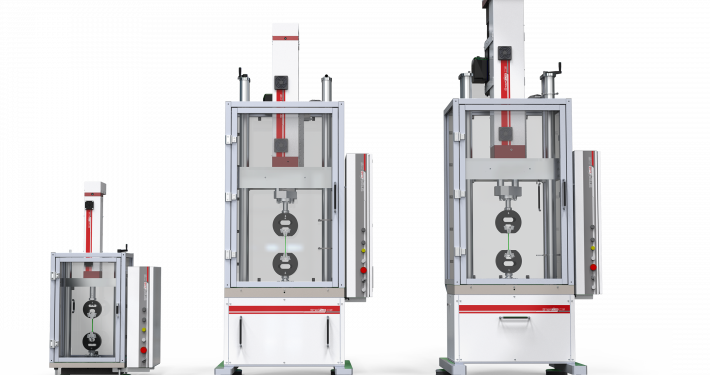
Macchine dinamiche

DENTAL INDUSTRY

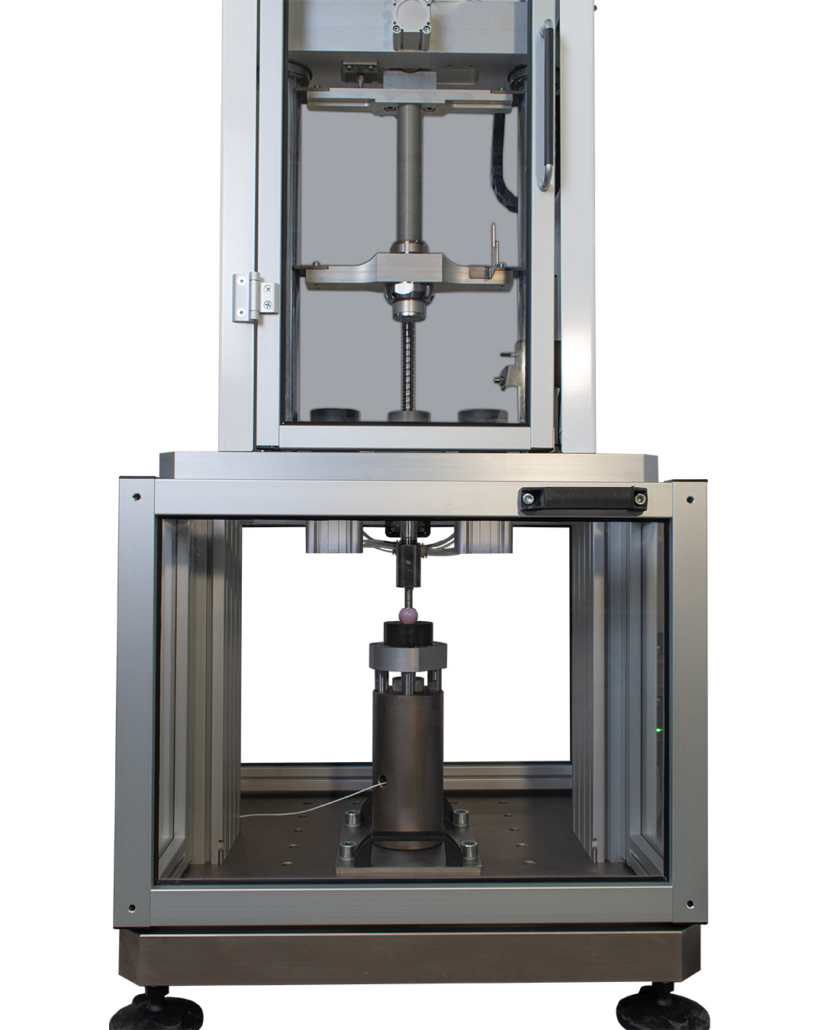
Testing of materials (ceramics and metals), composites, and adhesive bands to determine fatigue resistance on dental implants.

Prove meccaniche su protesi

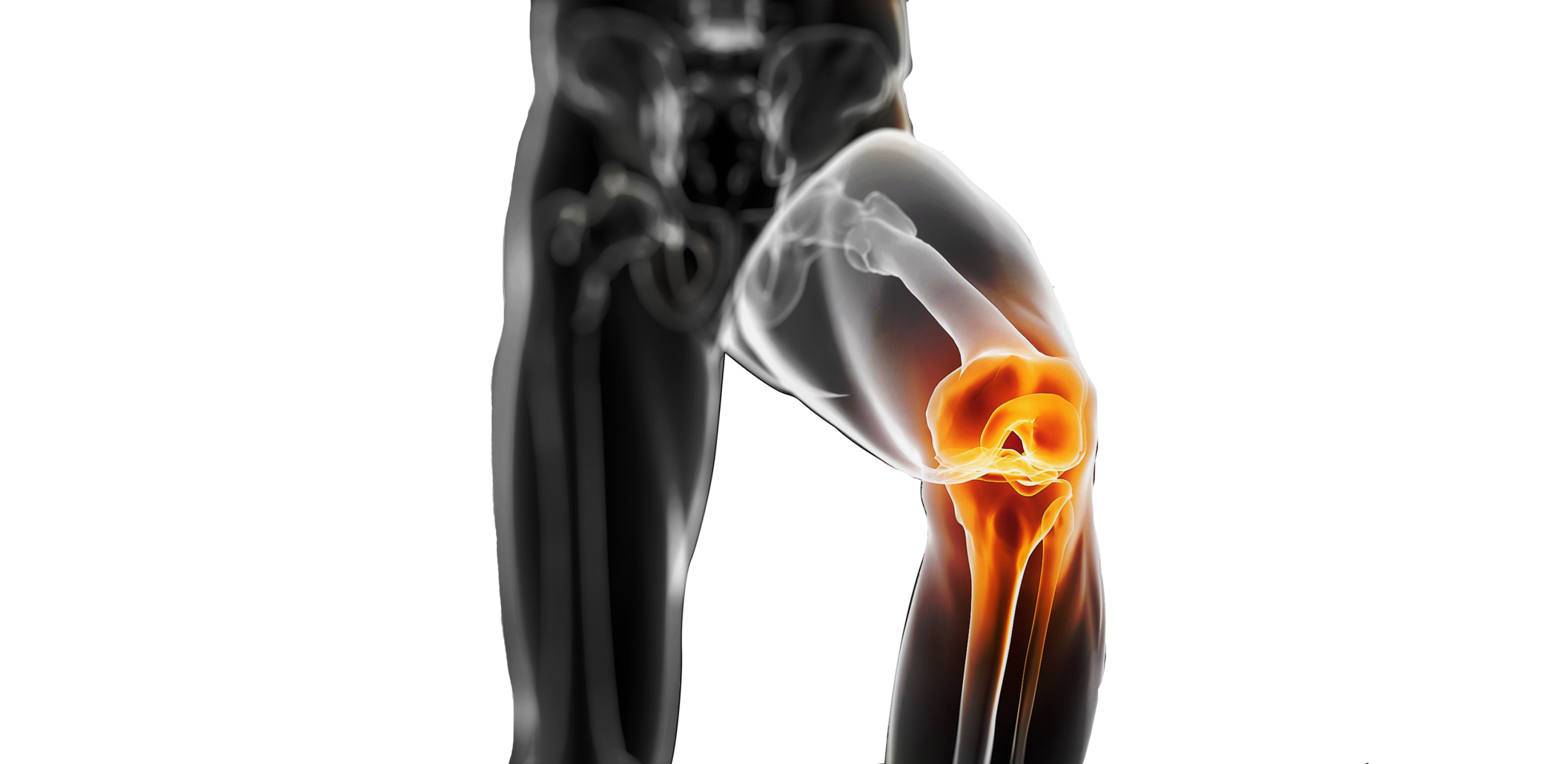
BIOMECHANICS AND ORTHOPAEDICS

We carry out tests on prostheses to verify functions and structures of the musculoskeletal system and movements of biological systems.

Test su dispositivi medici

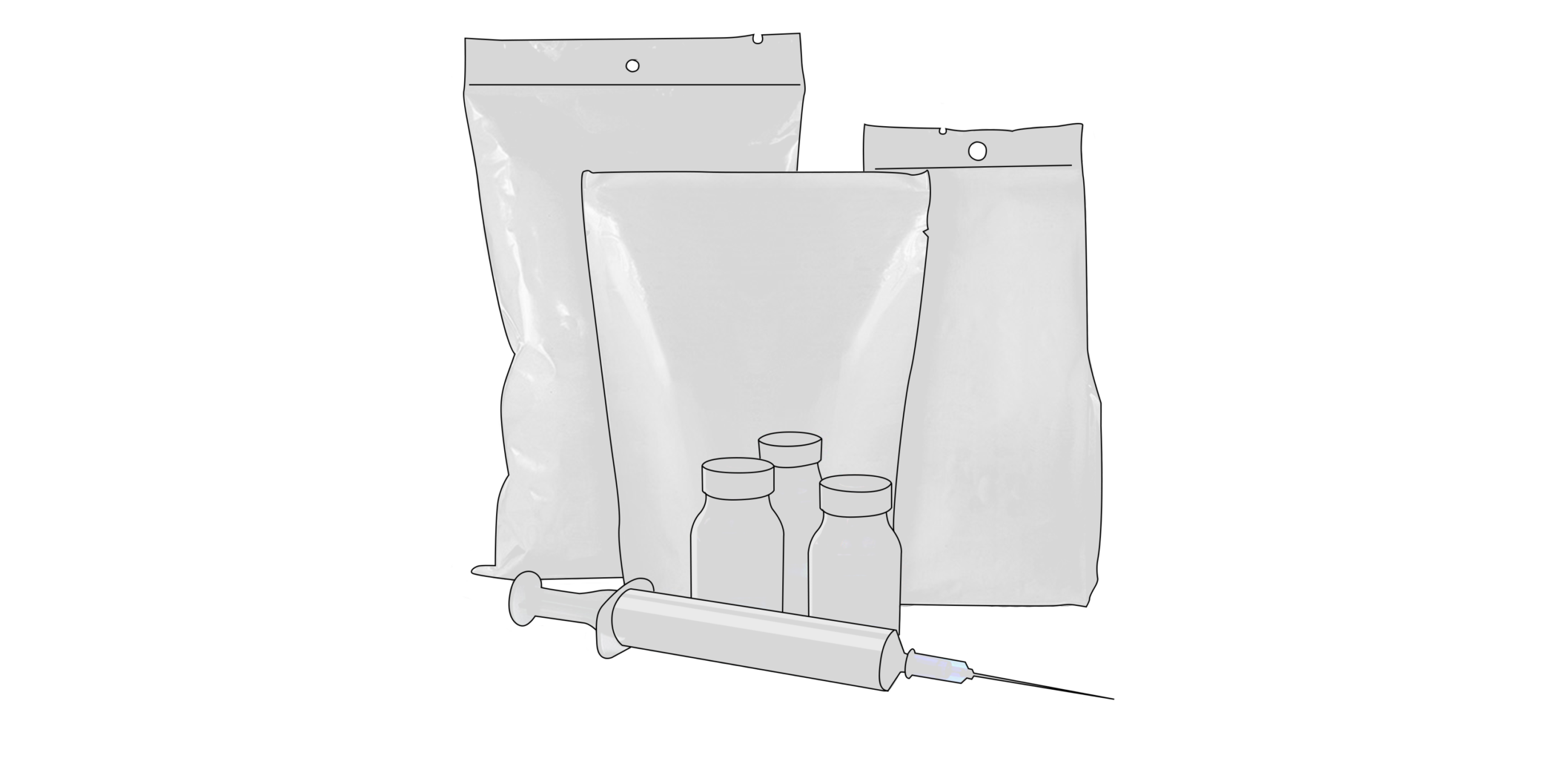
MEDICAL PACKAGING

Testing of medical and pharmaceutical product packaging to ensure product safety over an extended storage period.

ISO 14801 – Fatigue testing for dental implants

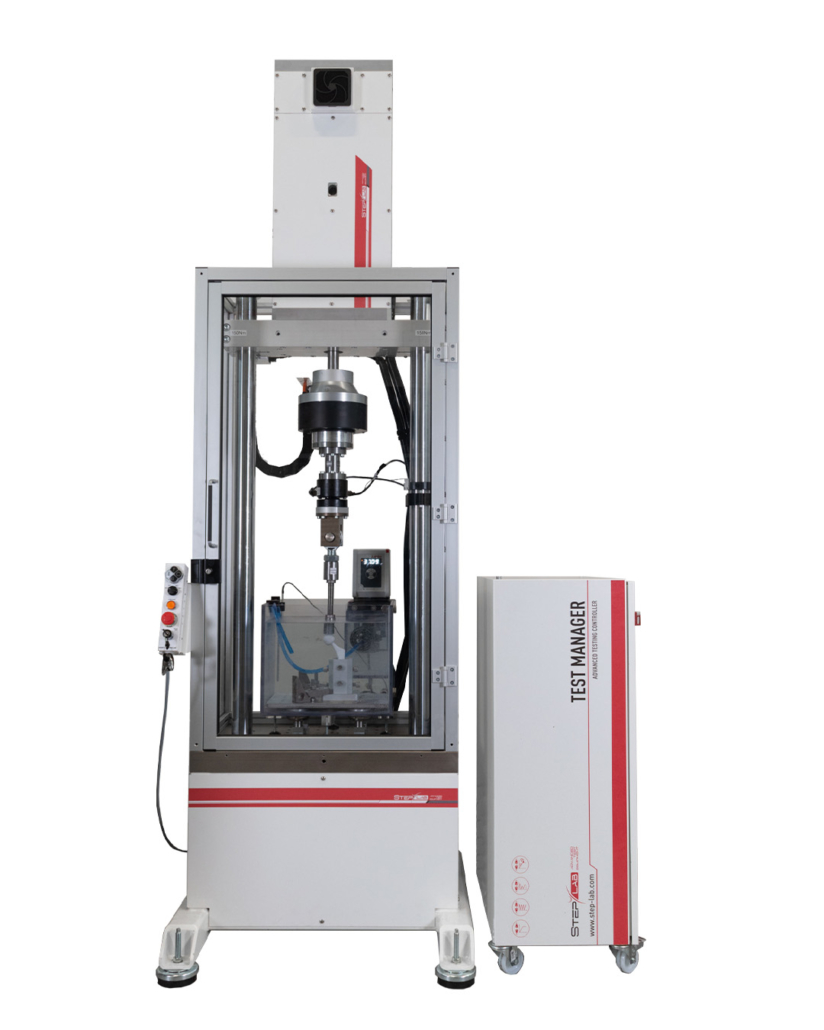
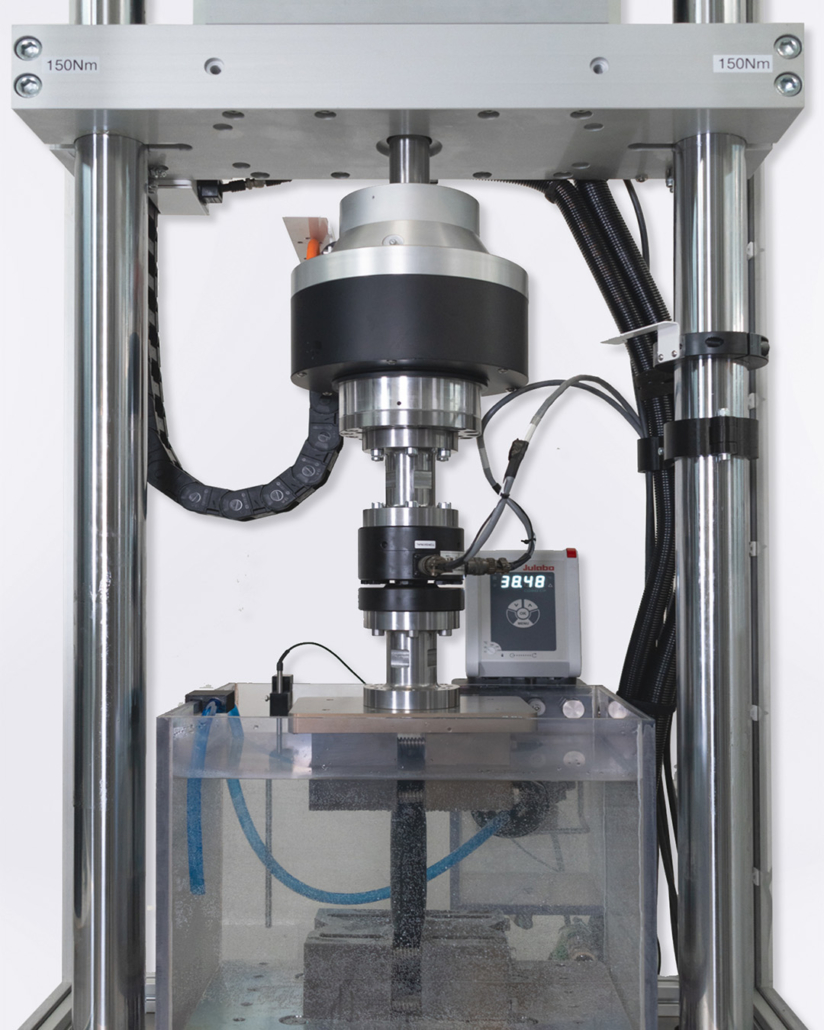
Dental implant tests are used to evaluate the fatigue strength and mechanical behavior of implant-abutment systems under cyclic loads that simulate chewing conditions.

ISO 14801 defines dynamic test procedures for evaluating the fatigue strength of dental implants using cyclic loads applied under standardized conditions.

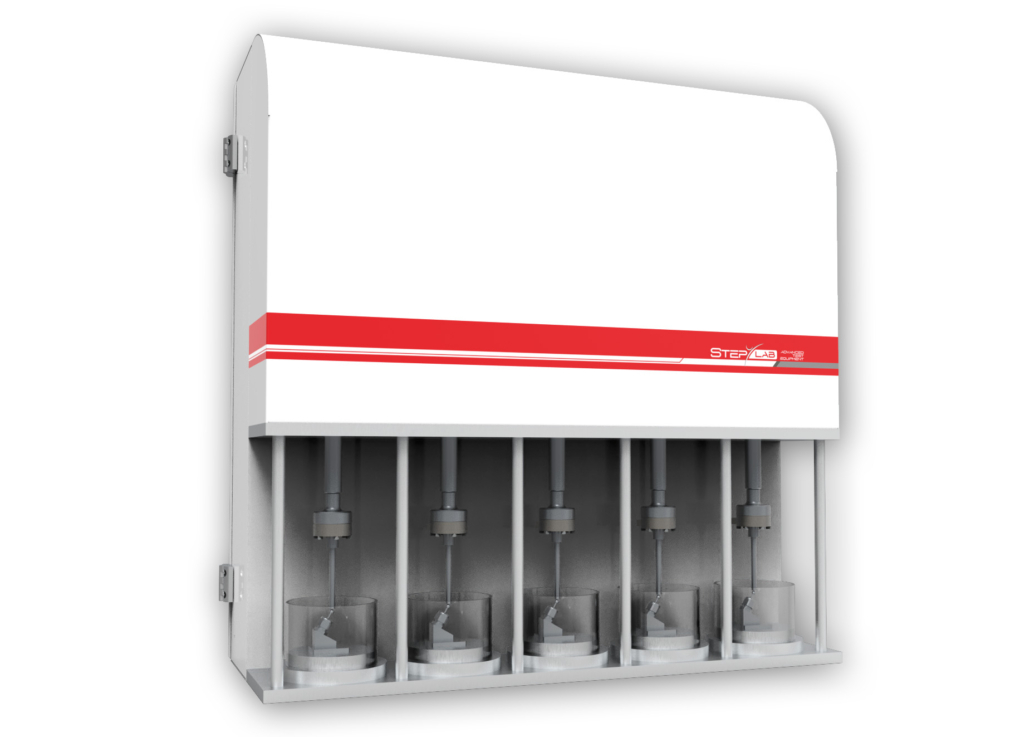
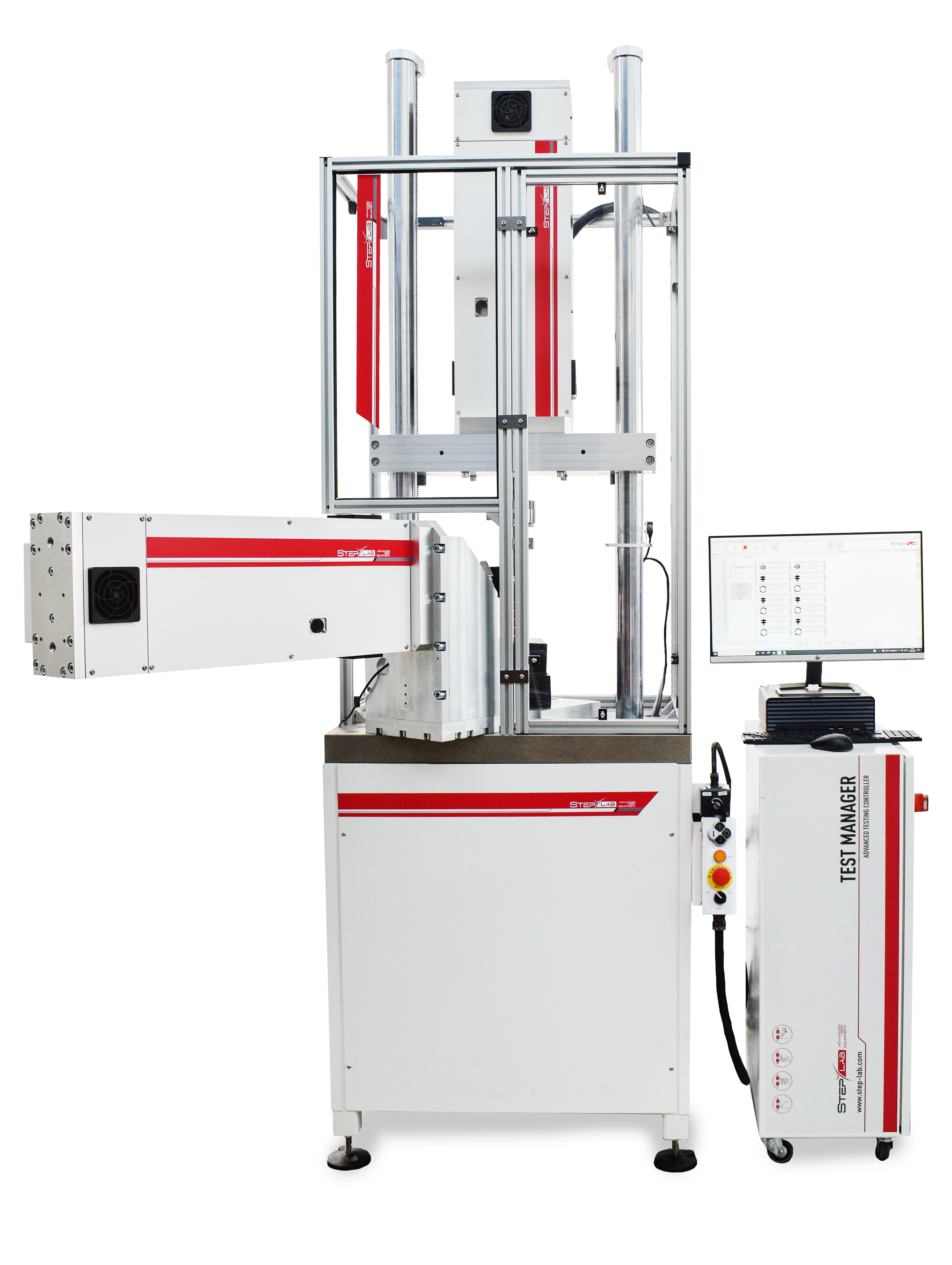
STEP Lab has developed both a single bench test system (based on the UD02) and a multi-station system consisting of 5xEA02 axes; both are designed to perform tests in full compliance with the requirements of the standard.

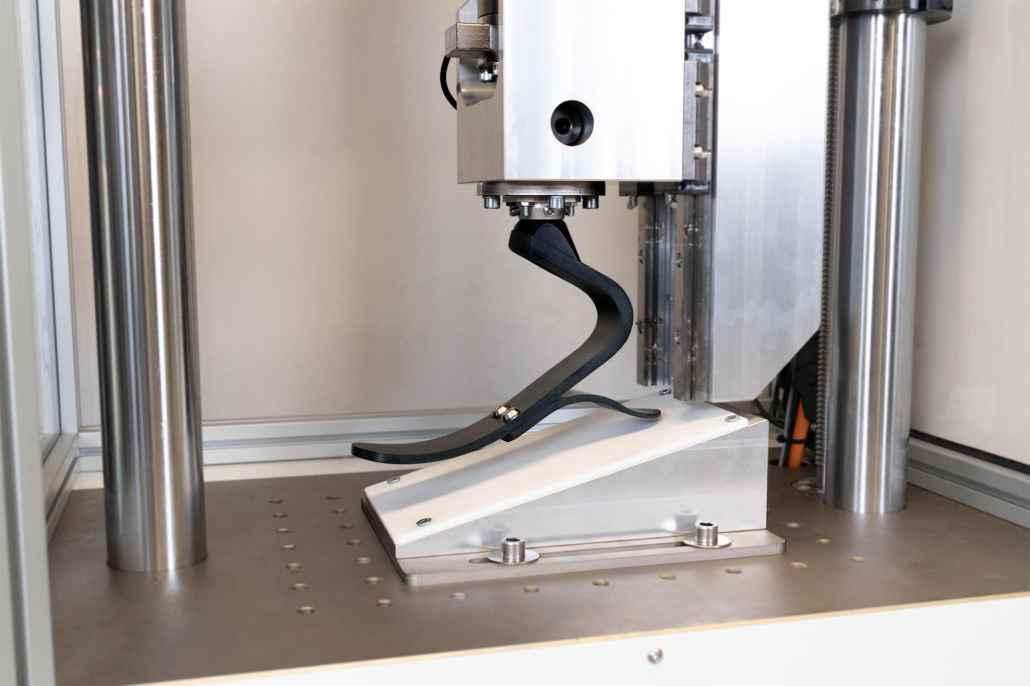
ISO 22675 – Testing of ankle-foot devices and foot units.

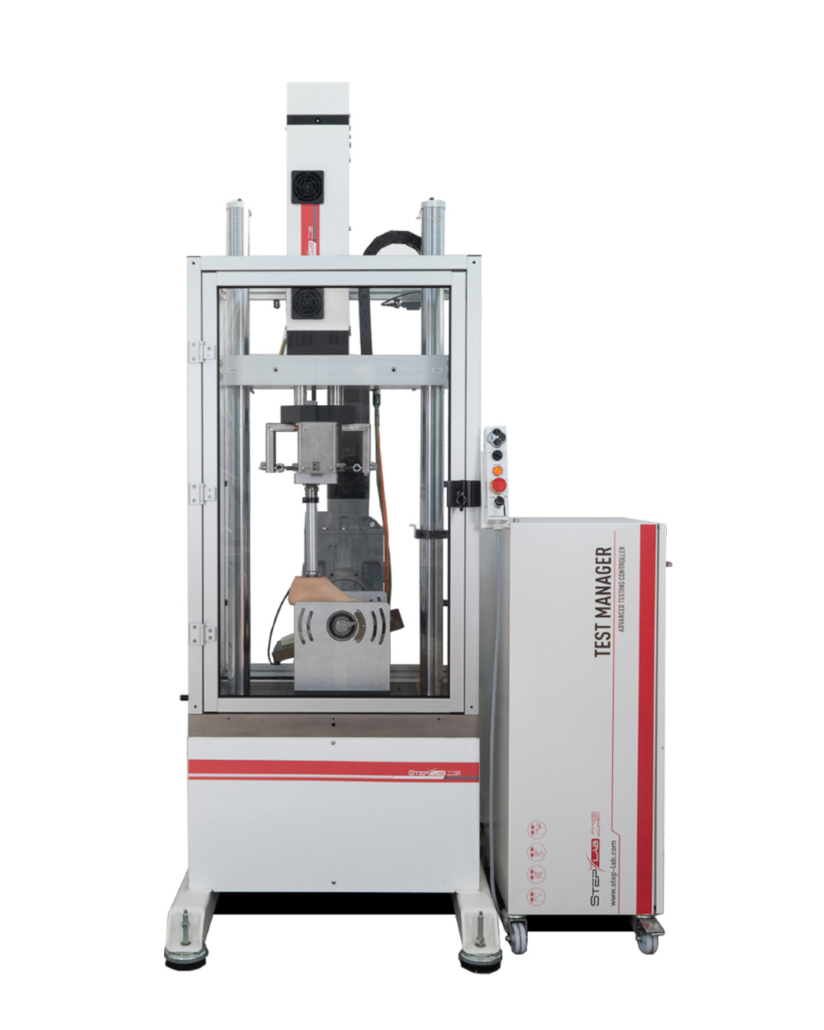
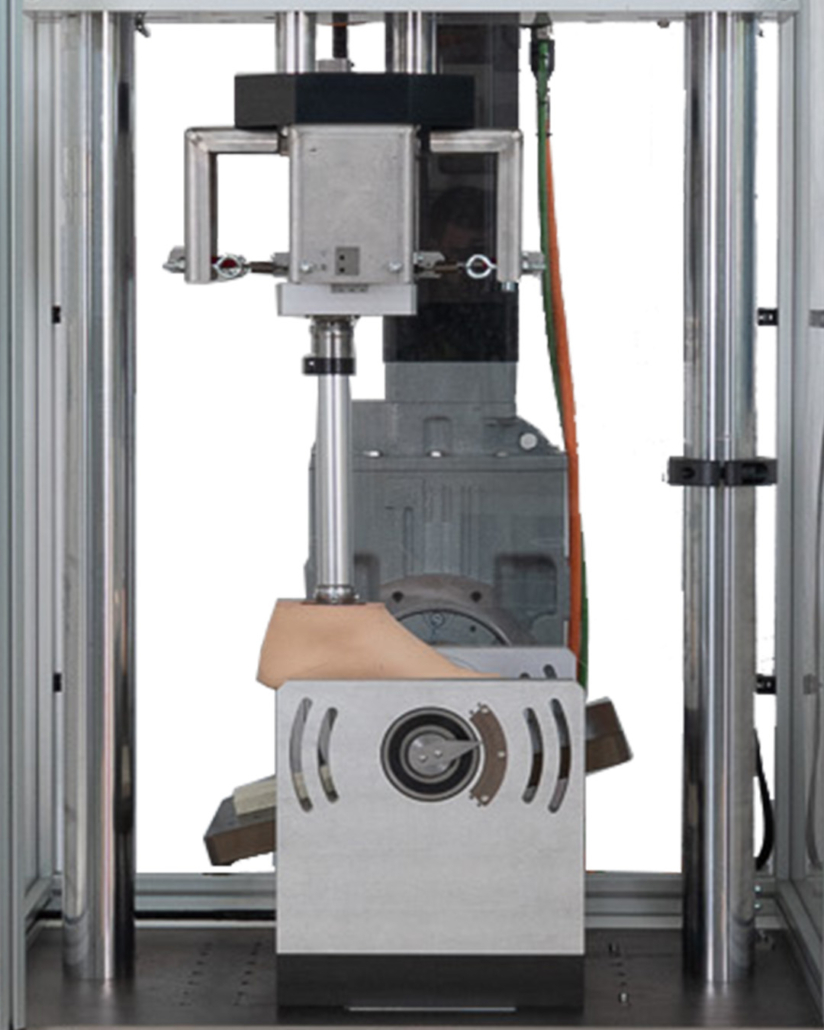
Lower limb prosthesis testing evaluates the strength and durability of components under static and cyclic loads that simulate walking.

ISO 22675 defines test methods for ankle-foot devices and lower extremity prosthetic structures, including cyclic fatigue tests and static tests for mechanical strength according to standardized load profiles.

STEP Lab has developed an electromechanical test system based on the EA050 actuator and customized with specific equipment to perform the tests required by the standard, ensuring full compliance with ISO requirements.

ISO 7206 – Fatigue testing of hip prostheses.

Hip prosthesis testing evaluates the fatigue strength and mechanical behavior of femoral stems and implant components under cyclic loads that simulate physiological conditions of use.

ISO 7206-4 and ISO 7206-6 define test methods for fatigue strength evaluation of femoral stems and hip replacements, specifying standardized load configurations and test cycles.

STEP Lab has developed an electrodynamic testing system based on the UD08 machine designed to perform the tests mentioned in the standards.

ISO 11491 – Impact testing of ceramic femoral heads.

Impact tests on lower limb prostheses are used to evaluate structural strength and energy absorption capacity under impulsive loading conditions by simulating accidental events during use.

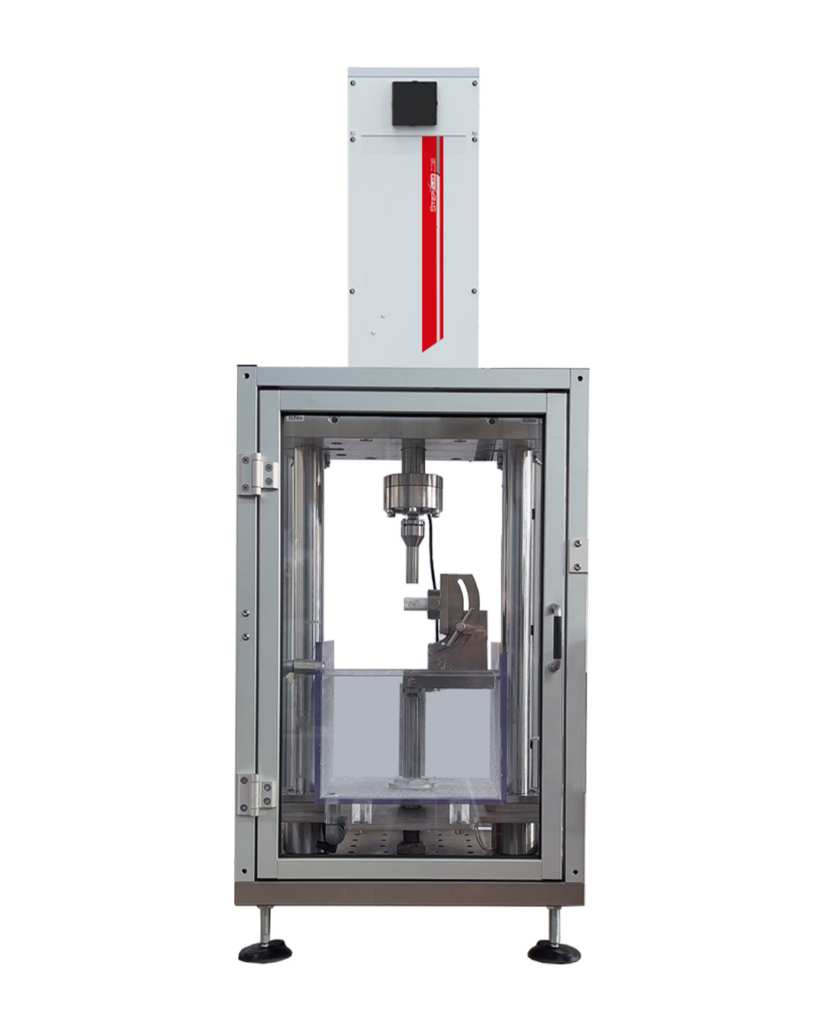
ISO 11491 defines drop test methods for evaluating the impact resistance of lower limb prostheses by controlled impacts.

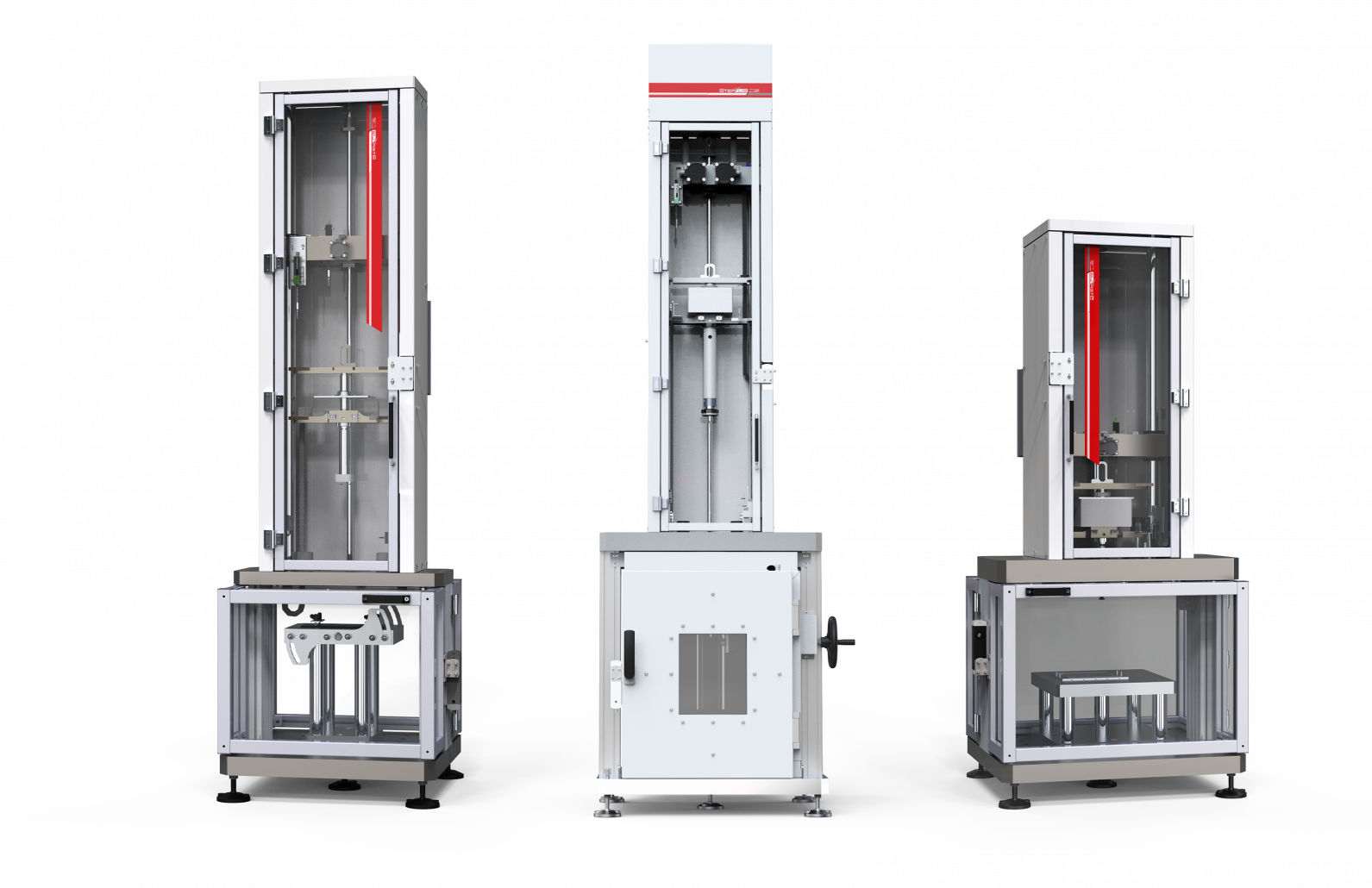
STEP Lab has developed a drop tower for impact testing, designed to perform tests in accordance with the standard, with accurate control of test parameters and customizable configurations for prosthetic devices.

ISO 10328 – Structural testing of lower limb prostheses.

Structural testing of lower limb prostheses evaluates the mechanical strength and safety of components under static and cyclic loads that simulate everyday use conditions.

ISO 10328 defines test methods for verifying the structural strength of lower limb prostheses, including static and cyclic tests with standardized loading configurations.

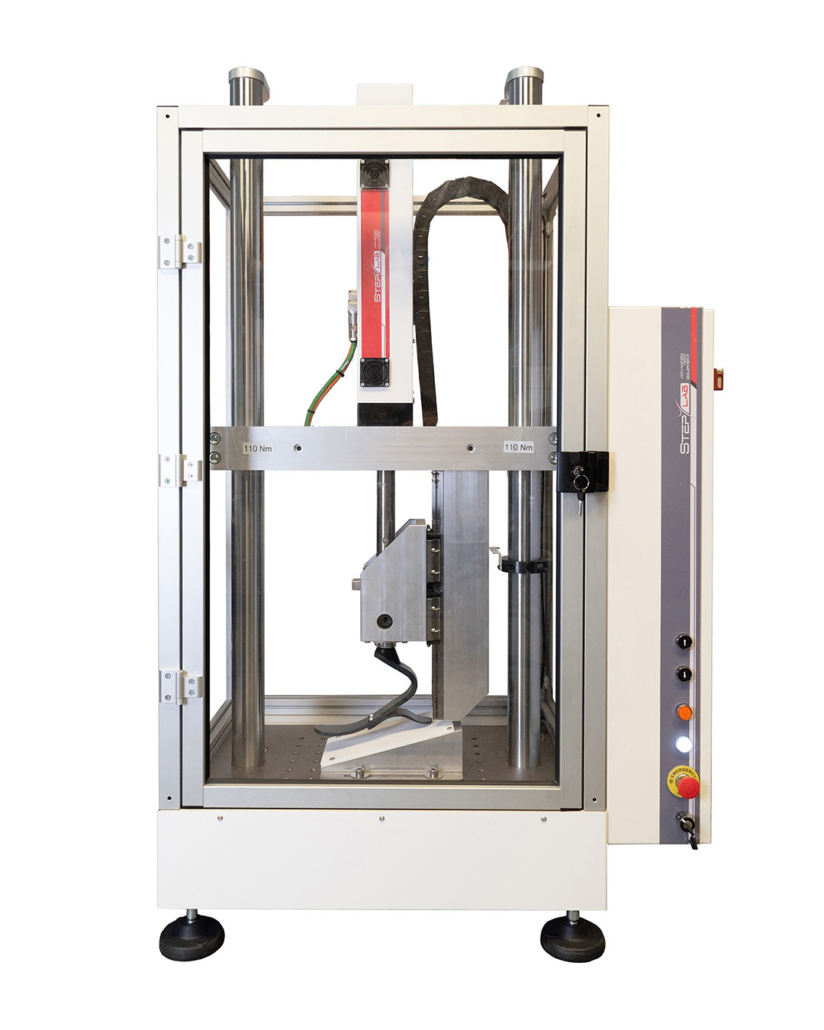
STEP Lab has developed an electromechanical test system based on the EA05 actuator, configured to perform the tests required by the standard.

THE CHARACTERISTICS OF OUR SYSTEMS

Test medici

Qualification of test systems is a key aspect in validation processes in the medical and pharmaceutical fields. STEP Lab’s dynamic systems are designed to meet applicable regulatory requirements, and STEP Lab supports customers in DQ, IQ and OQ activities by providing customized technical documentation in accordance with GAMP5, FDA 21 CFR Part 11 and EU GMP Annex 11 guidelines, with qualification execution also performed on-site.

  • Test Center, the only test management software
  • Test systems developed to operate independently or in collaboration with others
  • A team of specialists always available
  • Customised design according to customer needs
  • Easy to install and manage products
  • Zero CO2 emissions

International Standards

STANDARD DESCRIPTION
ASTM F1264 Standard specifications and test methods for intramedullary fixation devices
ASTM F1717 Standard test methods for spinal implant structures in a vertebrectomy model
ASTM F1798 Standard test method for evaluating static and fatigue properties of interconnecting mechanisms and subassemblies used in spinal arthrodesis implants
ASTM F1800 Standard practice for cyclic fatigue testing of tibial plateau metal components of total knee joint replacements
ASTM F2068 Standard specifications for femoral prostheses – metal implants
ASTM F2077 Test methods for intervertebral body fusion devices.
ASTM F2193 Standard specifications and test methods for components used in surgical fixation of the spinal skeletal system
ASTM F2502 Standard specifications and test methods for resorbable plates and screws for internal fixation implants
ASTM F2580 Standard practice for evaluating the modular connection of a proximally fixed femoral hip prosthesis
ASTM F2706 Standard test methods for occipito-cervical and occipito-cervical-thoracic spinal implant constructions in a vertebrectomy model
ASTM F382 Standard specification and test method for metal bone plates
ASTM F384 Standard specifications and test methods for angled metal devices for orthopedic fracture fixation
ASTM F543 Standard specifications and test methods for metallic medical bone screws
STANDARD DESCRIPTION
EN 843-1 Mechanical properties of monolithic ceramics at room temperature – Determination of flexural strength
ISO 11405 Dental structure adhesion test
ISO 12189-8 Mechanical testing of implantable spinal devices – Fatigue test method for spinal implant assemblies using anterior support
ISO 14801 Dentistry – Implants – Dynamic load testing for endosseous dental implants
ISO 14879-1 Total knee joint replacement Determination of strength properties of tibial knee trays
ISO 6872 Dentistry – Ceramic Materials
ISO 7206 Surgical implants – Partial and total hip joint replacements
ISO 9585 Determination of flexural strength and stiffness of bone plates

RECOMMENDED TEST SYSTEMS

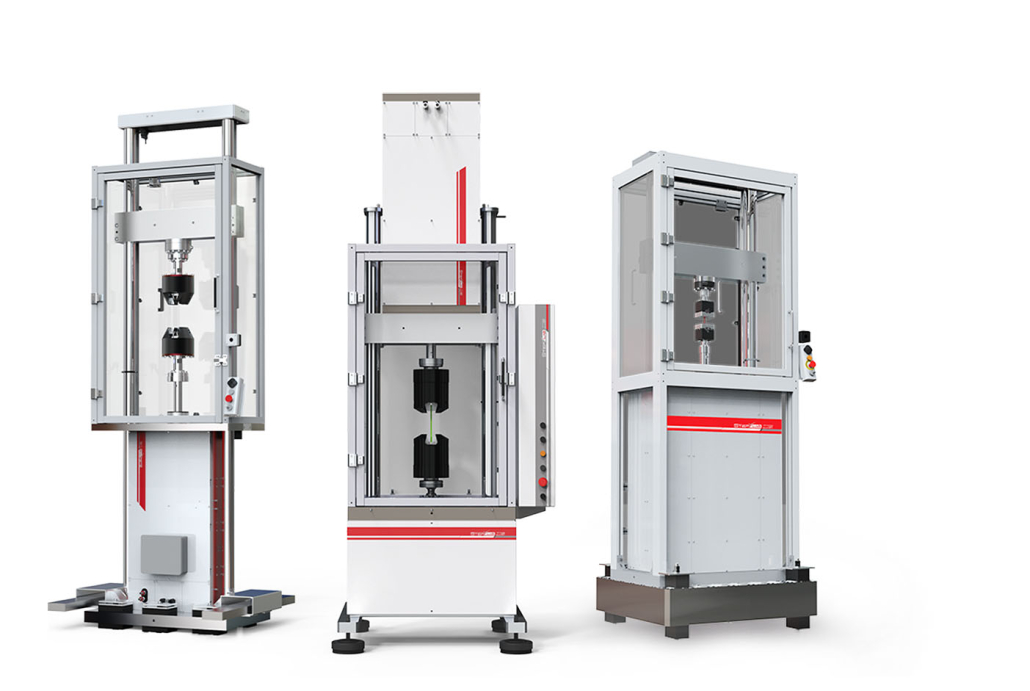
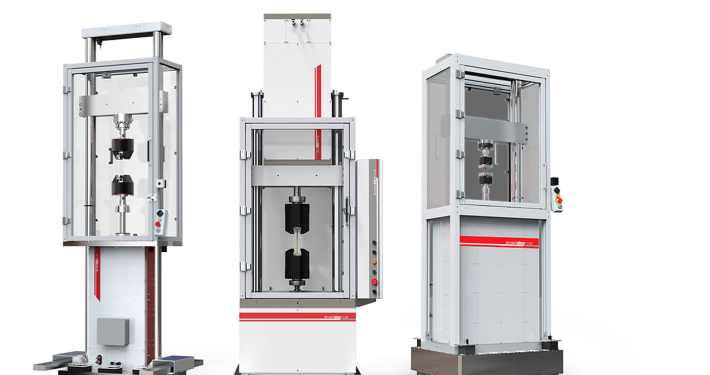
FATIGUE AND DYNAMIC TESTING SYSTEMS

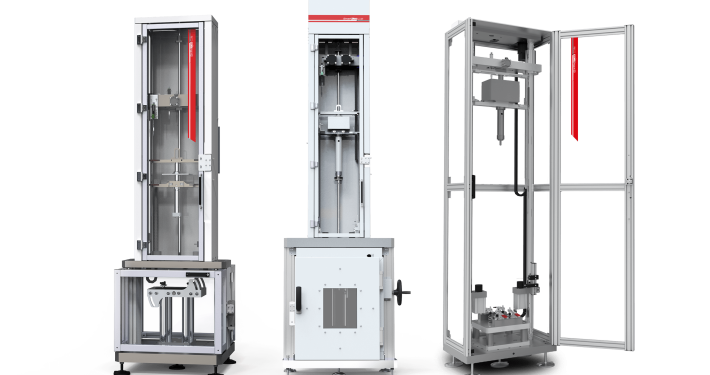
IMPACT TEST SYSTEMS

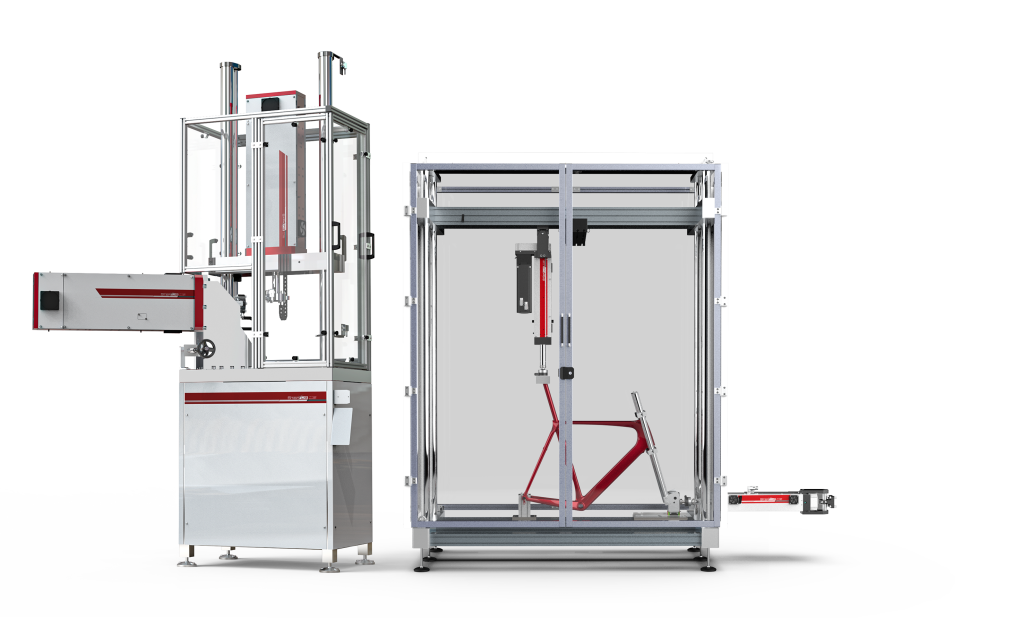
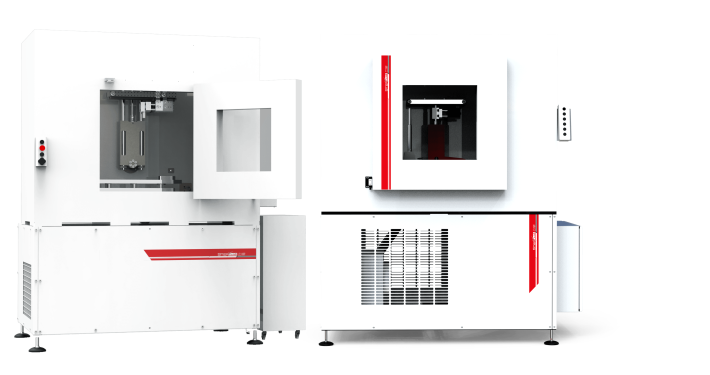
MULTI-ACTUATOR TEST SYSTEMS

BIOMEDICAL TESTING – MAIN VIDEOS

Explore our catalogue or contact us to find the right product for your business together.

Other products