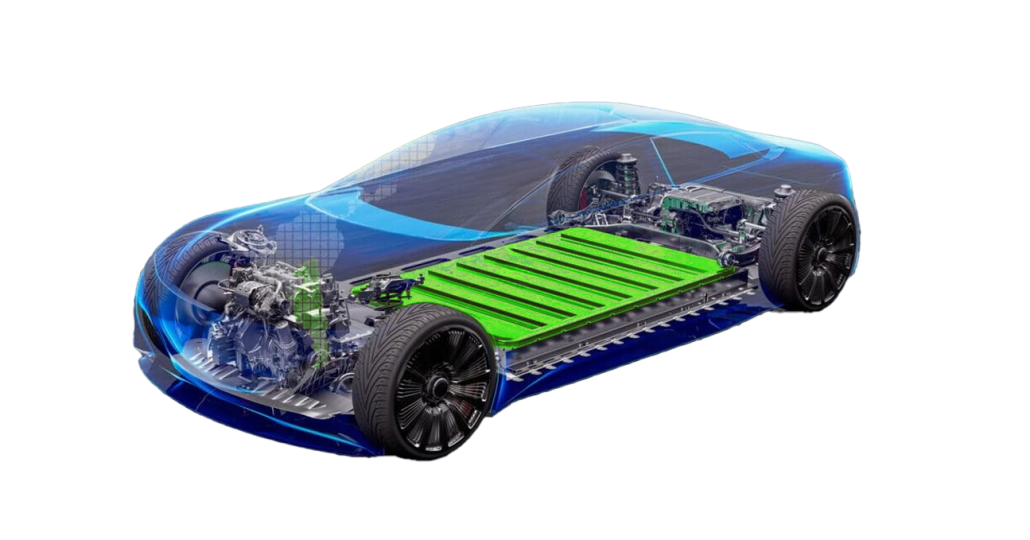
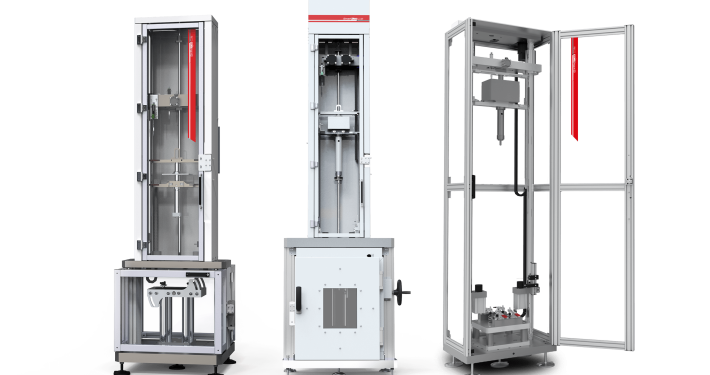
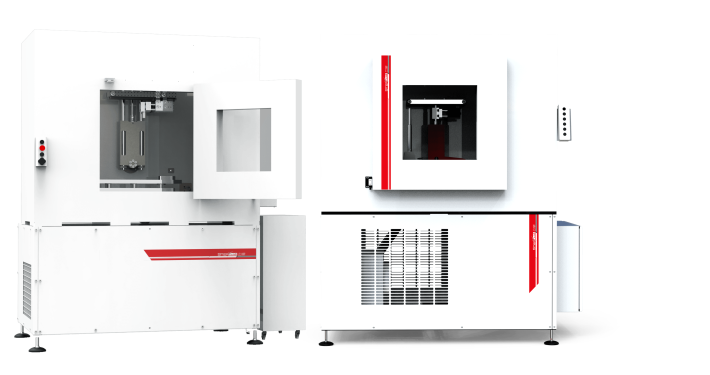
Vibration testing of lithium-ion batteries is a critical process in electric vehicle (EV) battery validation. These tests are conducted according to international standards such as ISO 12405, SAE J2380, UN 38.3, UN R100, and UN R136, or based on custom specifications from battery manufacturers and OEMs.
During the test, the battery cell, module, or pack (either standalone or installed in a vehicle chassis) is mounted on a vibration table placed inside an environmental test chamber. The system integrates battery cycling equipment and real-time monitoring tools to track performance during the test. Vibration is applied sequentially in three spatial axes: vertical (Z), transverse (Y), and longitudinal (X). Simultaneously, temperature profiles are applied to simulate real-world environmental conditions. The battery is monitored continuously for structural failures, electrical disconnections, and performance degradation.
Why vibration testing matters?
Vibration test results are essential for:
- Validating battery durability under mechanical stress;
- Evaluating performance and reliability in harsh environments;
- Characterizing vibration transmissibility across the battery system;
- Supporting end-of-line quality control to ensure compliance with strict manufacturing standards.
Used by EV battery manufacturers, OEMs, and testing laboratories, these vibration tests help ensure the safety, longevity, and performance of lithium-ion batteries in electric vehicles.
STEP Lab testing solutions
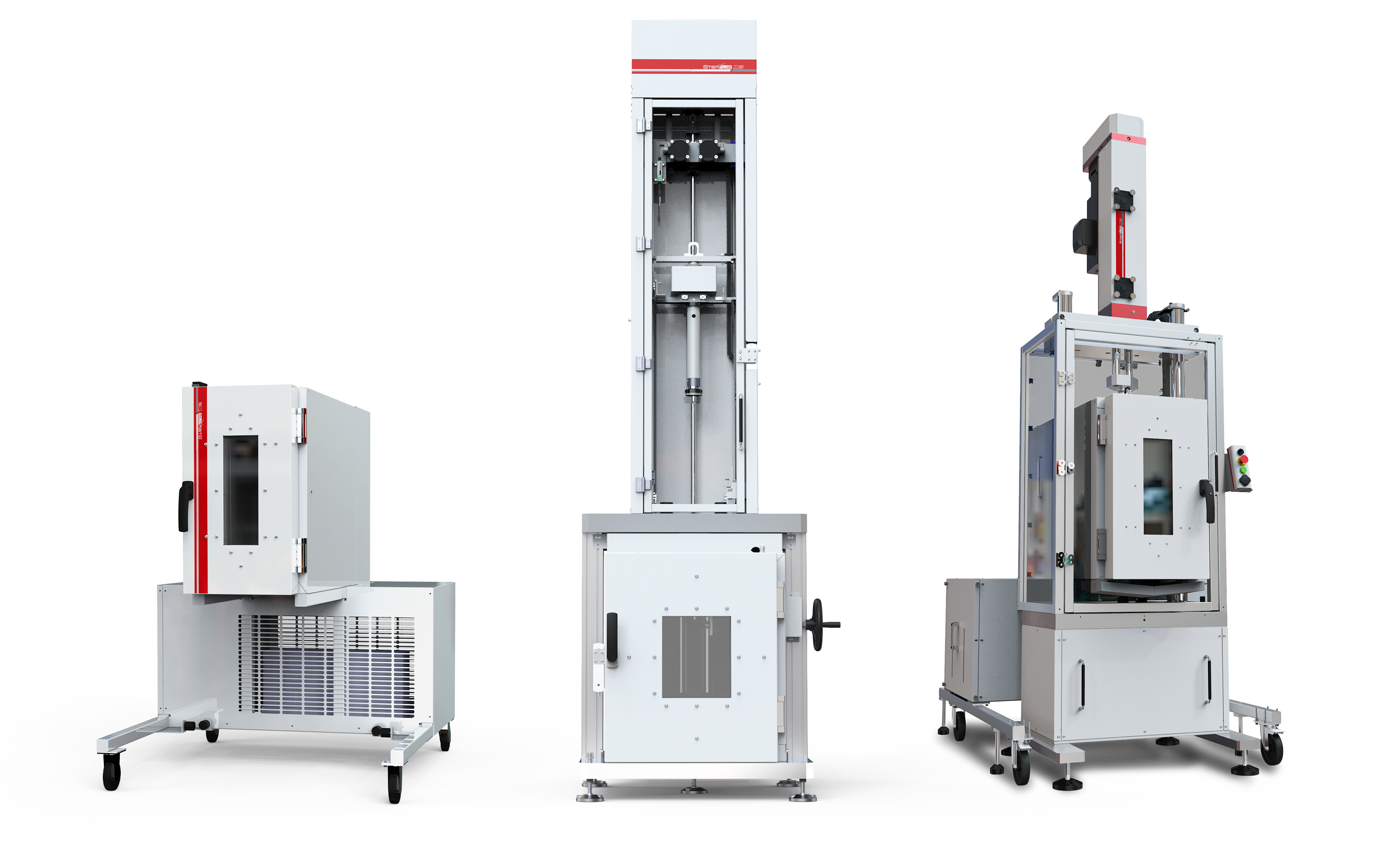
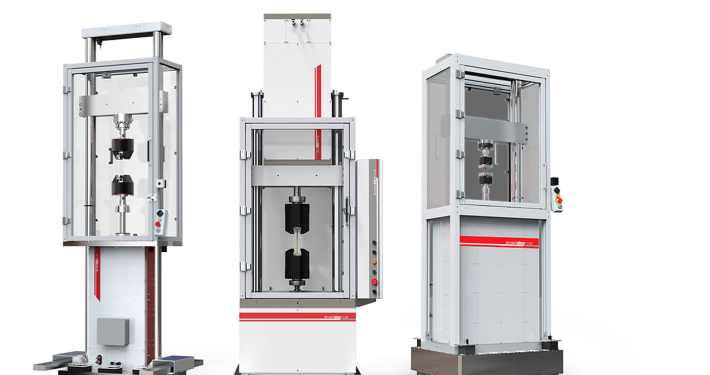
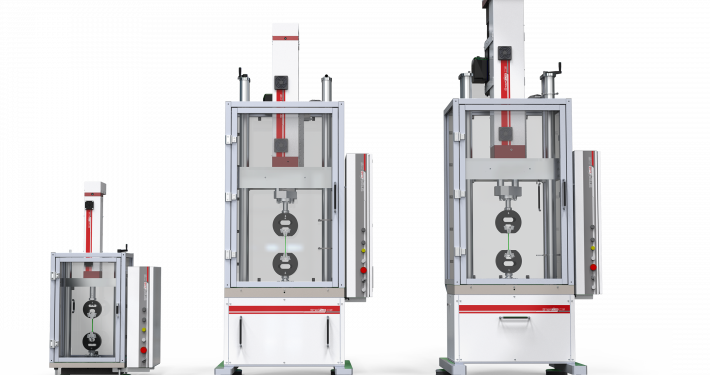
At STEP Lab, we design cutting-edge test systems engineered to test single cells, modules, or full battery packs under controlled mechanical and environmental stress. With seamless synchronization between vibration, temperature control, and battery cycling, we enable complex test sequences with minimal setup time. From R&D to end-of-line validation, STEP Lab testing machines support fast data acquisition, customizable software, and full compliance with automotive testing standards.