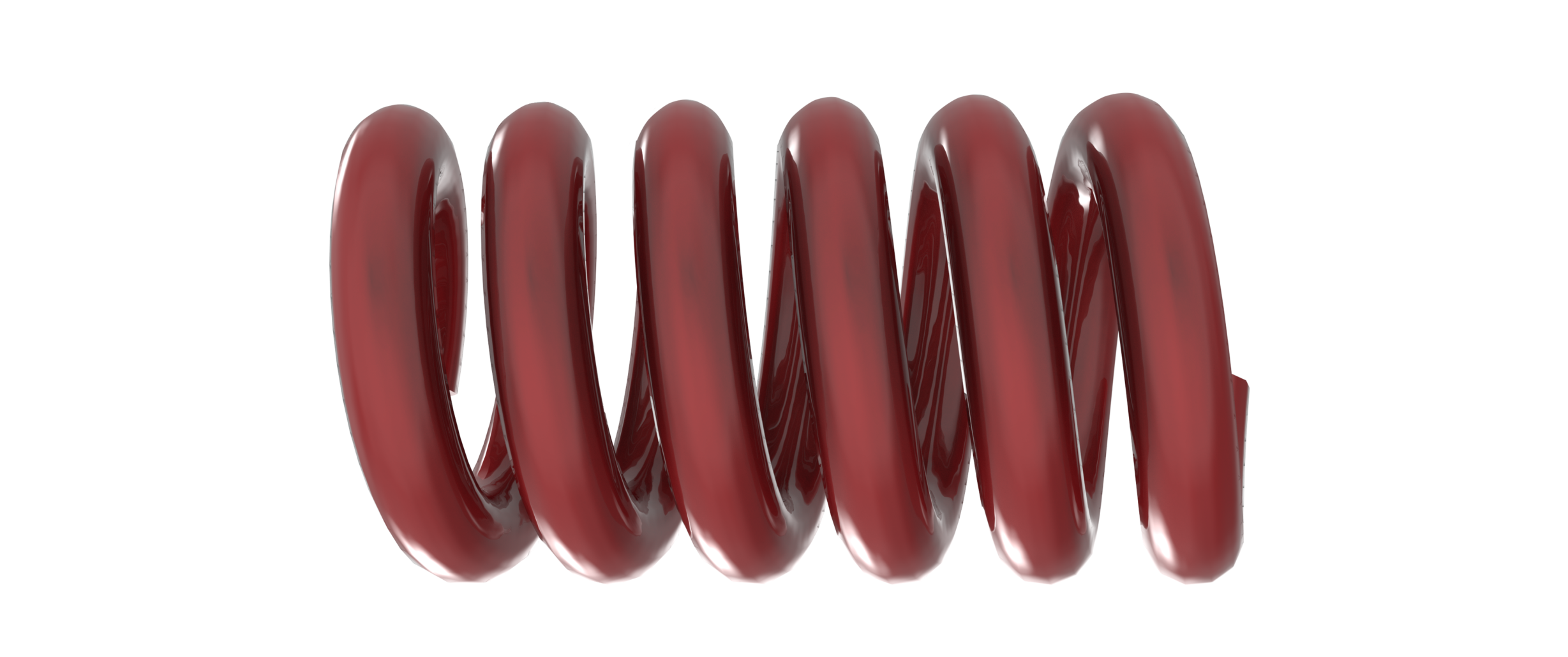
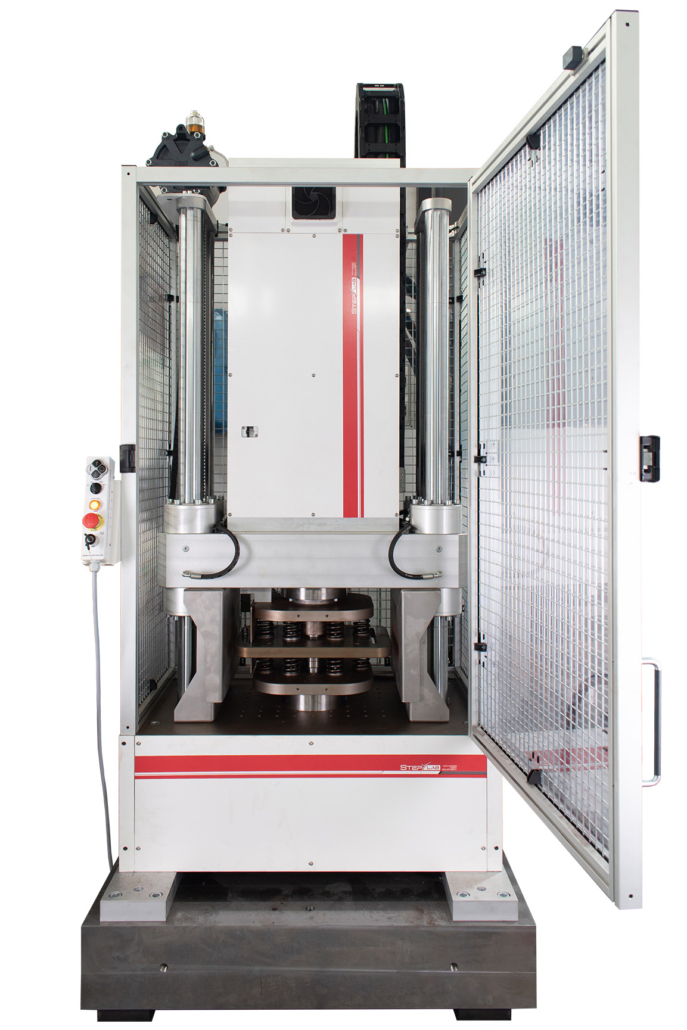
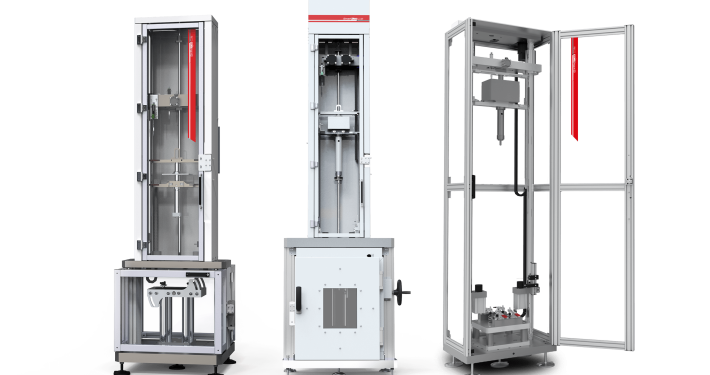
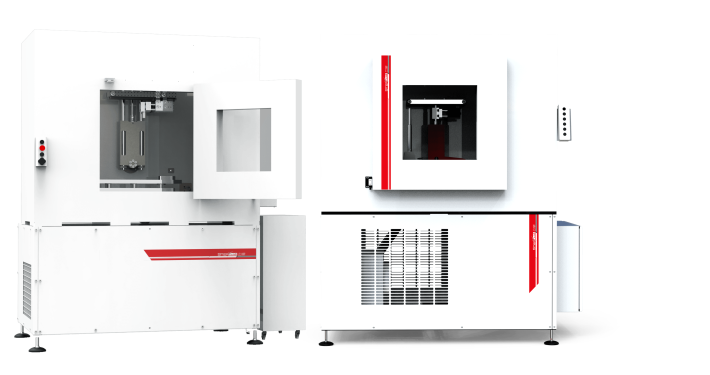
Coil springs, also known as helical compression springs, are the preferred solution in the vast majority of vehicle suspension systems. Their compact design, the ability to combine them with a shock absorber in a single strut assembly, and their favourable cost-performance ratio make them the standard choice, from passenger cars to motorsport and light commercial vehicles.
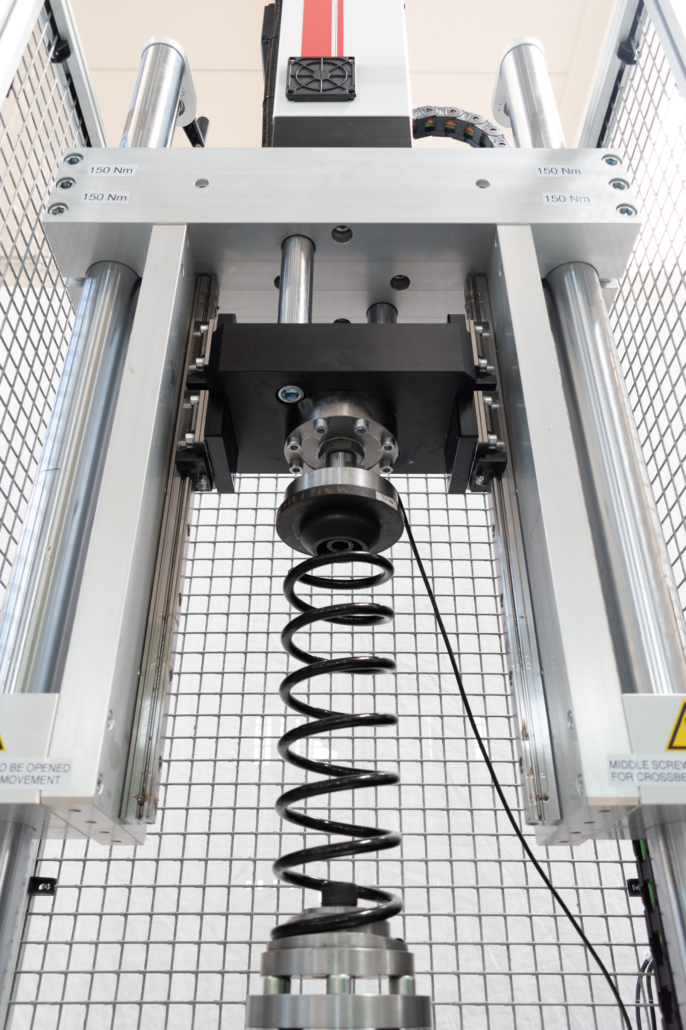
In a suspension system, the coil spring is subjected to axial compression, working in conjunction with the shock absorber to absorb road shocks and maintain tyre contact and ride comfort. As vehicle weights increase, so too do the loads that the suspension spring must bear, making accurate testing in accordance with standards increasingly important, both during the development phase and in production quality control.
Why is the axial application of the load so important?
Due to its helical geometry, the load applied to a coil spring is almost never perfectly centered on the geometric axis: the ends are rarely loaded uniformly, which generates transverse forces and overturning moments in addition to the axial force. If not properly monitored and measured, these effects can cause uneven wear, friction and premature failure of adjacent components (stems, spring seats, shock absorbers).
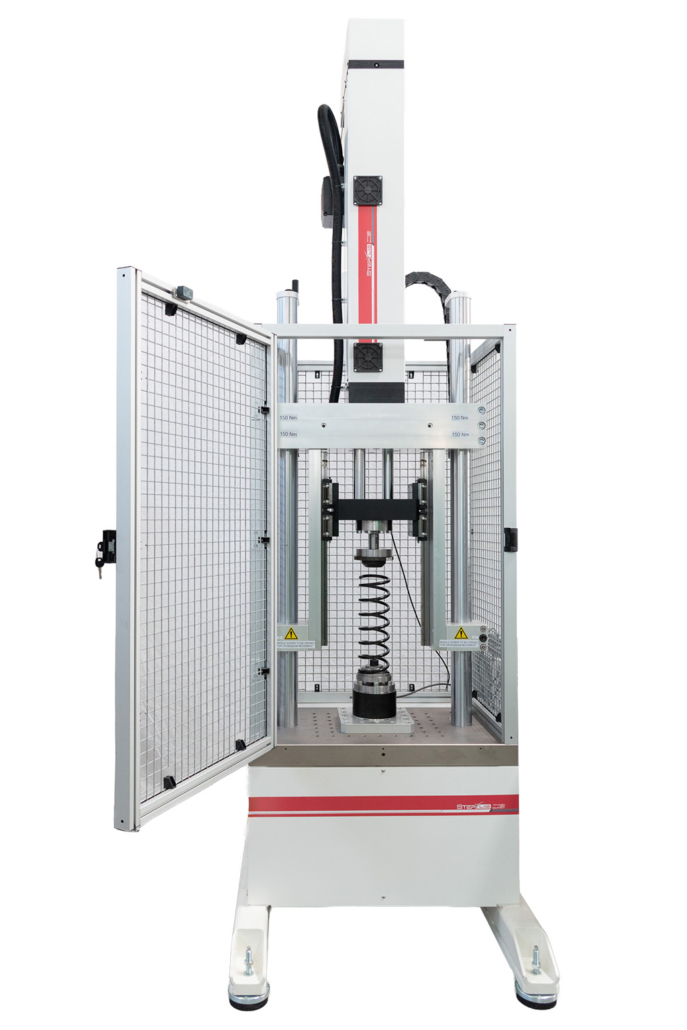
For this reason, a reliable coil spring testing machine must apply and measure the load precisely along the central axis, ensure a high degree of parallelism between the compression plates, and guarantee repeatable results even on springs with very tight geometric and dimensional tolerances.
Testing of coil springs and shock absorbers
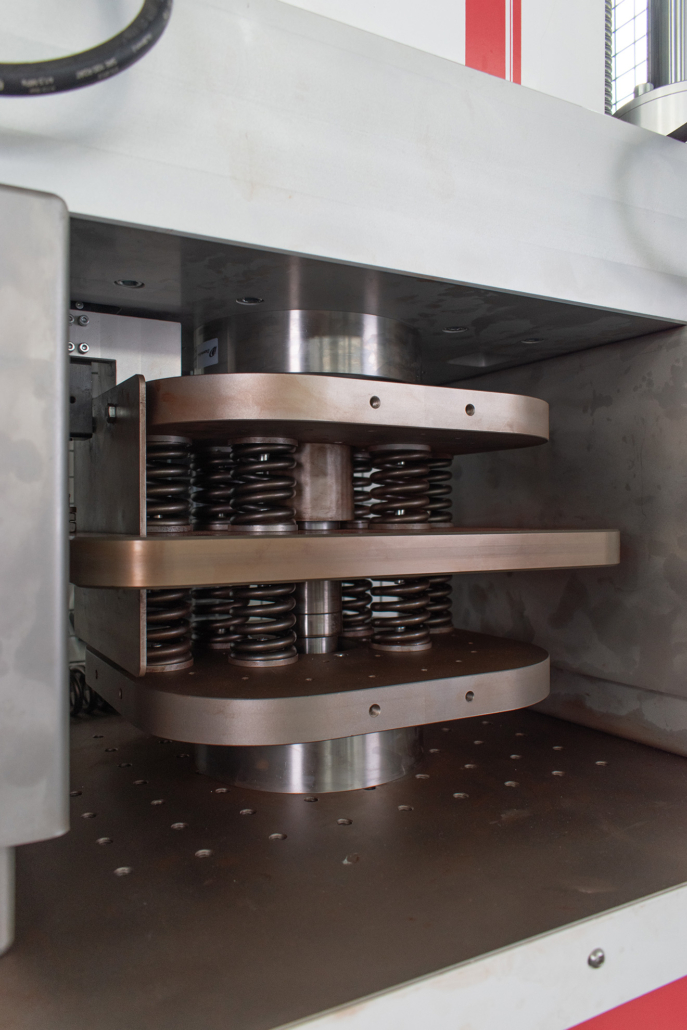
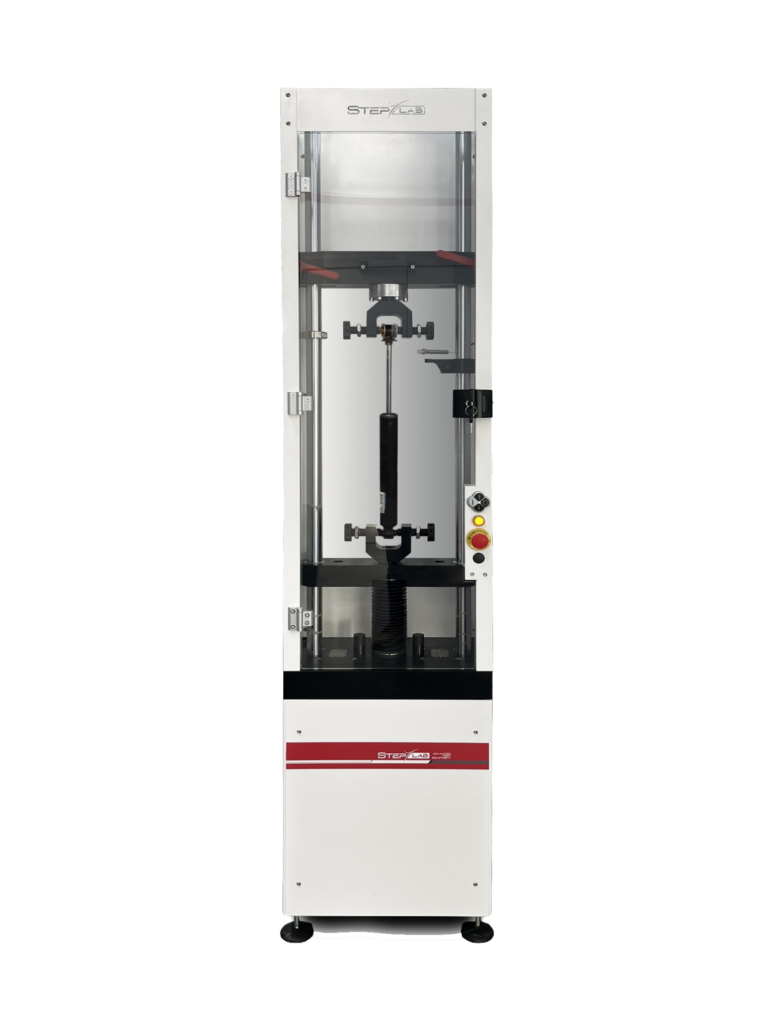
As coil springs are so often combined with a shock absorber to form a single strut assembly, spring characterization is frequently carried out alongside shock absorber testing. Spring-shock absorber test benches enable manufacturers to validate the entire strut assembly under realistic conditions involving simultaneous vertical and lateral loading.